
1. Neurotoxicity Risk: Soursop contains annonacin, a compound linked in some studies to atypical Parkinson-like symptoms with long-term, heavy consumption. This was observed in regions where soursop is eaten daily in large amounts over years. Occasional tea is different from daily heavy use for months. Do not drink it every day for long periods.
2. Blood Sugar and Blood Pressure: Soursop may lower blood sugar and blood pressure. If you take medication for diabetes or hypertension, this can cause your levels to drop too low. Talk to your doctor first.
3. Pregnancy and Breastfeeding: Do not use soursop leaf tea if you are pregnant or breastfeeding. There is not enough safety data.
4. Liver and Kidney Conditions: Avoid if you have liver or kidney disease, unless cleared by your doctor.
5. Drug Interactions: It may interact with blood pressure drugs, diabetes drugs, sedatives, and antidepressants. Always check with your pharmacist or doctor before combining herbal teas with prescription medication.
6. Seeds Are Toxic: Never eat soursop seeds. They are not used in tea. Only use the leaves, and only from a reputable source.
A safe approach used in traditional practice is to drink it for short periods, such as 1 cup a day for 1 to 2 weeks, then take a long break. Do not use it continuously for months.
How to Buy and Store Soursop Leaves
Buy dried, organic soursop leaves from a reputable herbal supplier. Leaves should be whole, green-brown, and smell earthy, not moldy. Store in an airtight glass jar away from light and moisture. They keep for about 12 months.
Avoid powders or capsules sold with cancer cure claims. Those products are unregulated and often contain much higher concentrations than tea.
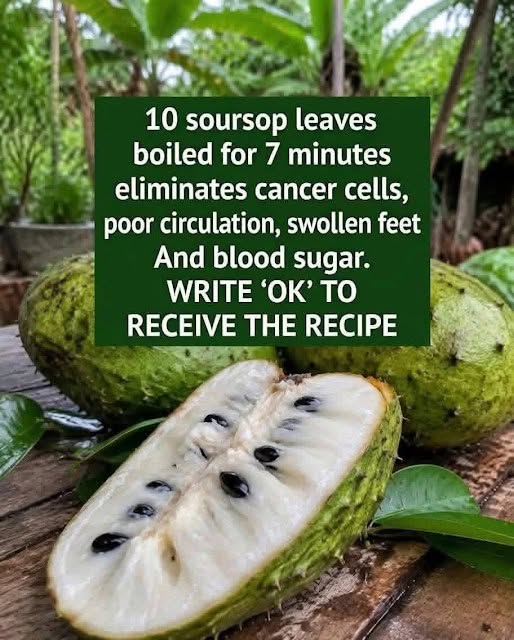
What to Do for the Conditions Mentioned in the Viral Post
If you saw that post because you are dealing with one of these issues, here is the responsible next step:
• Cancer: See an oncologist. Do not delay or replace evidence-based treatment with herbal tea. You can ask your care team if soursop tea is safe alongside your treatment.
• Poor circulation / swollen feet: This can be a sign of heart, kidney, or vein issues. Get evaluated. Elevate your feet, move regularly, and reduce salt while you wait for your appointment.
• Blood sugar: Work with your doctor or a registered dietitian. Diet, exercise, and prescribed medication are proven tools.
Herbal teas can be a comforting addition to a healthy lifestyle, not a replacement for medical care.
Frequently Asked Questions
Can I eat the soursop fruit instead of the leaf tea?
Yes. The fruit is delicious and nutritious, and it contains much lower levels of annonacin than concentrated leaf extracts. Eat it fresh or in smoothies. Remove all seeds.
Does soursop leaf tea help you sleep?
Many people report a calming effect, which is why it is traditionally taken at night. This is anecdotal, not clinically proven.
How long does it take to work?
As a tea for relaxation, you may notice a calming effect the same evening. For any other effect, there is no proven timeline in humans.
Can I drink it every day?
Traditional use is occasional, not daily long-term. Because of the neurotoxicity concerns with annonacin, limit use to short cycles and take long breaks. Talk to a healthcare professional before regular use.
Is soursop tea FDA approved to treat anything?
No. In the US, soursop is sold as a dietary supplement / herbal tea, not a drug. It is not approved to diagnose, treat, cure, or prevent any disease.
Soursop leaf tea has an interesting history and a pleasant, calming profile as an herbal tea. It is not a cancer cure, a diabetes cure, or a substitute for medical care. If you want to try it, use it occasionally, buy from a trusted source, and talk to your doctor first, especially if you take any medications or have a health condition.
ADVERTISEMENT
