
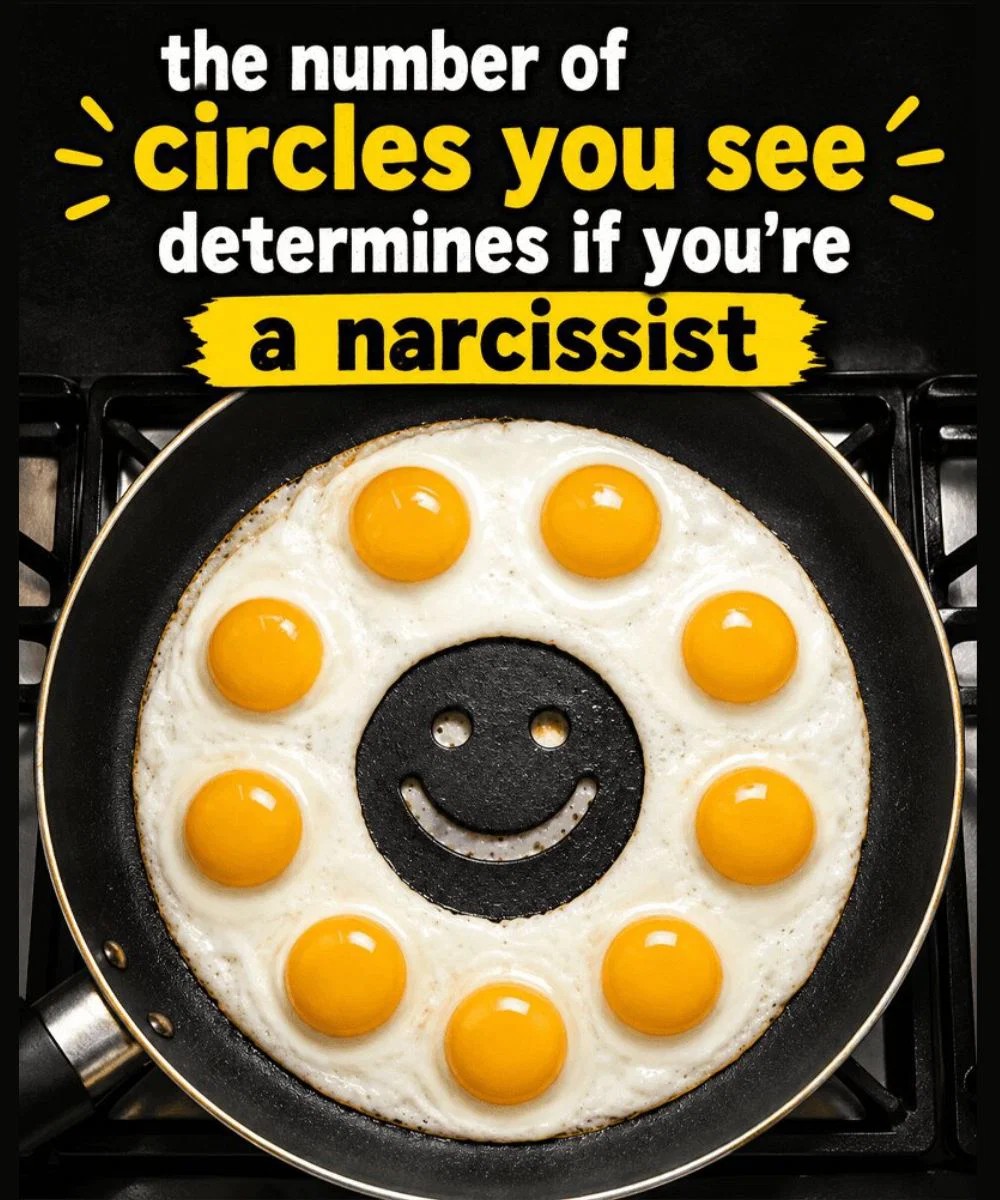
3. What Your Answer May Suggest
A lower number may suggest that you focus on the main idea first. You may prefer simple, direct answers and avoid overthinking small details. This does not mean you are careless; it may simply mean your brain filters information quickly.
A higher number may suggest that you are detail-oriented. You may enjoy searching for hidden patterns and may not stop at the first obvious answer. People like this often notice small visual clues that others skip.
But again, this does not prove whether someone is narcissistic. It only shows how they approach a visual challenge.
4. Why These Puzzles Go Viral
Visual puzzles are popular because they invite people to compare answers. One person may say they see nine circles, while another may claim there are fifteen or more. This creates curiosity and debate.
The bold text in the image also makes people react emotionally. When a puzzle connects your answer to personality, it becomes more shareable. People want to know what their answer “means,” even when the result is mostly for entertainment.
5. The Real Lesson Behind the Image
The real value of this puzzle is not whether it can label your personality. It is a reminder that perception is personal. We do not all notice the same things at the same time. Some people see the big picture first, while others immediately search for details.
ADVERTISEMENT
