
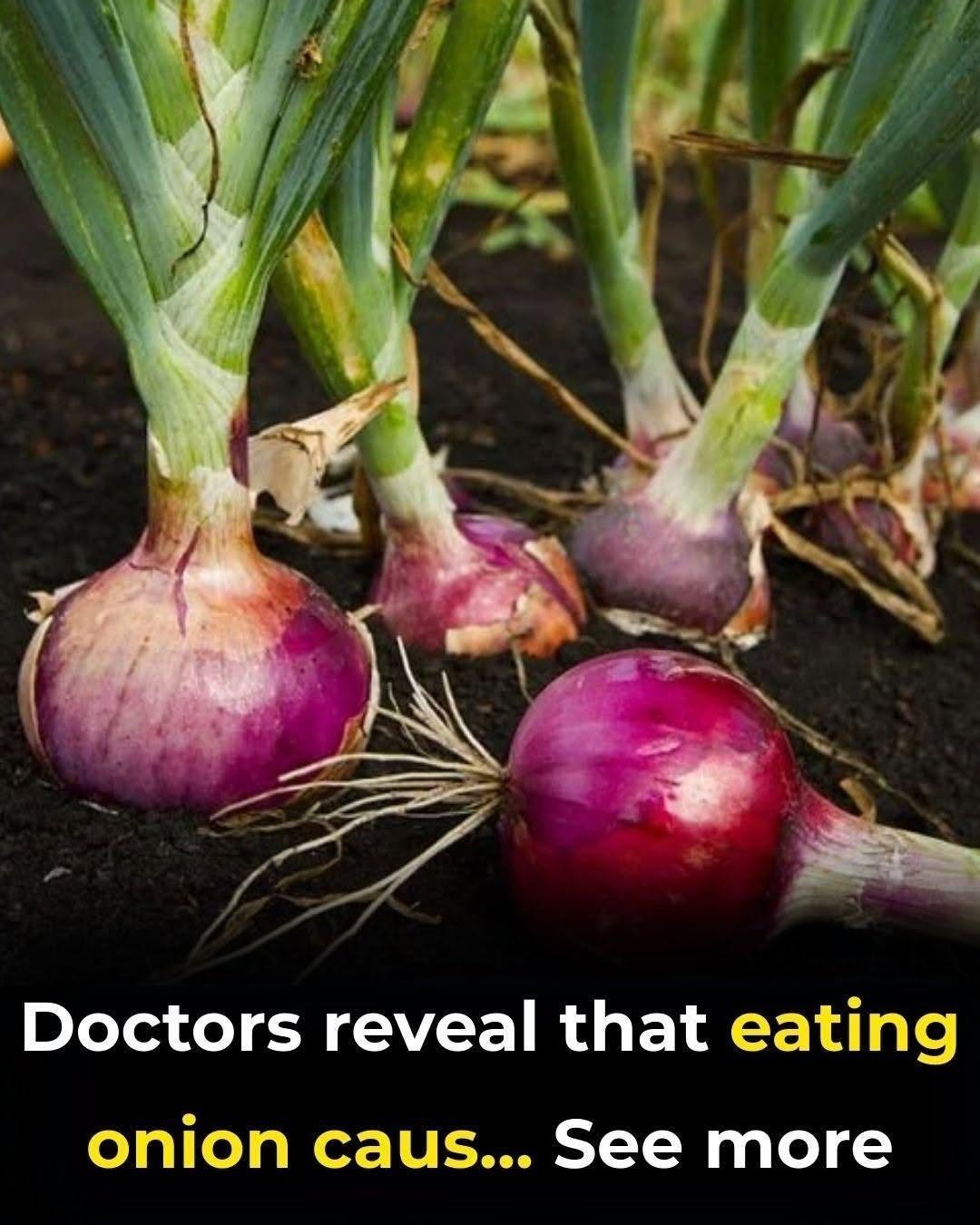
When onion cells are damaged, enzymes release syn-propanethial-S-oxide—a volatile gas that reacts with moisture in the eyes to form mild sulfuric acid. The result? Tears. It’s harmless and temporary, but undeniably uncomfortable.
Pro tips: Chill onions before cutting, use a very sharp knife to minimize cell damage, or cut near a running fan to disperse the gas.
Myths That Don’t Hold Up to Scrutiny
“Onions absorb viruses and bacteria from the air.”
False. There is no scientific evidence supporting this claim. Onions do not act as “sponges” for airborne pathogens.
“Onions become toxic when cut and left overnight.”
False. Cut onions may brown, dry out, or develop off-flavors due to oxidation, but they do not become dangerous. Store them properly in the refrigerator and use within a few days.
“Onions cause persistent body odor.”
Mostly false. While very large quantities of onions might subtly influence body odor through excreted sulfur compounds, garlic is far more potent in this regard. For most people eating normal portions, this is not a concern.
The Medical Consensus
“For most people, the benefits of eating onions FAR outweigh the risks.”
— Dr. Sarah Johnson, Gastroenterologist
Unless you have a diagnosed sensitivity—such as GERD, IBS, or a rare onion allergy—there is no medical reason to avoid onions. In fact, nutrition experts routinely recommend including them as part of a diverse, plant-rich dietary pattern.
So go ahead: layer them into your sandwich, caramelize them for your pasta, or simmer them into your soup. Your heart, your gut, and your immune system are likely to thank you.
As with any food, balance and self-awareness matter. Listen to your body, enjoy onions in ways that feel good to you, and let science—not sensationalism—guide your choices.
To see the full cooking instructions, go to the next page or click the Open button (>) and don’t forget to SHARE it with your friends on Facebook.
ADVERTISEMENT
