
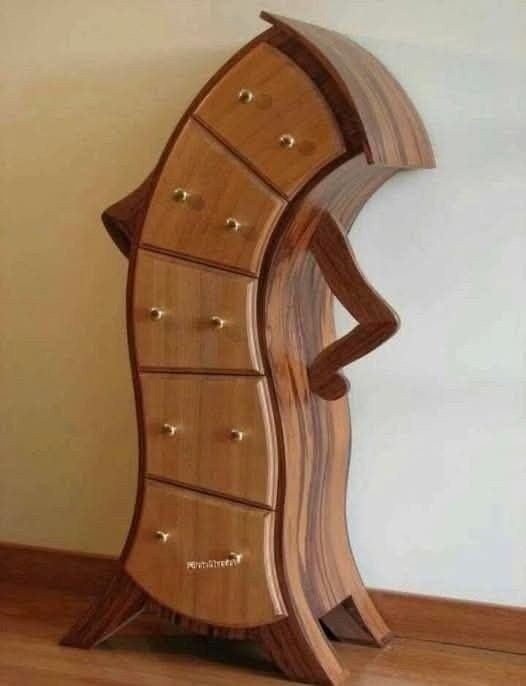
The Case for Painting It Red
Let’s explore why painting the dresser hutch red is so appealing to many people
1. Red Makes a Strong Statement
Red is not a subtle color. It commands attention.
A red dresser hutch becomes:
A focal point in the room
A bold design choice
A piece of personality in furniture form
It instantly changes the mood of a space, making it feel more energetic and expressive.
2. Personalization Matters
Painting furniture is one of the most direct ways to make a piece feel personal.
Instead of something bought and placed, it becomes something shaped and reimagined.
A painted red hutch says:
“This is our style. Our home. Our choice.”
3. Modern Design Trends Embrace Color
In modern interior design, bold furniture colors are increasingly popular.
Deep reds, burgundies, and rustic tones are often used to:
Add warmth to neutral spaces
Break up monotone interiors
Create contrast in minimalist rooms
A red hutch could easily become a modern statement piece.
4. A Creative Transformation
Painting furniture can also be a creative project.
It allows for:
Hands-on involvement
Artistic expression
A sense of accomplishment
It’s not just about the final result—it’s about the process of transformation.
The Case for Keeping It Original
Now let’s look at the other side of the debate.
Why might someone strongly prefer to leave the dresser hutch untouched?
1. Natural Wood Has Timeless Appeal
Original wood finishes often carry warmth and depth that paint can cover.
Wood grain tells a visual story:
Patterns formed over time
Natural imperfections
Organic texture
Many people feel that painting over it removes something irreplaceable.
2. Authenticity and Character
Original furniture often feels more “honest.”
It reflects:
The craftsmanship of the maker
The era it came from
The natural material itself
For some, painting it feels like altering its identity.
3. Value Considerations
Depending on the piece, original finishes can sometimes hold more value than painted ones.
This is especially true for:
Antique furniture
Solid wood pieces
Vintage collectibles
Even if resale isn’t the goal, the idea of preserving value can influence decisions.
4. The Fear of Regret
One of the biggest reasons people hesitate to paint furniture is simple:
“What if I don’t like it later?”
Once paint is applied, it changes the piece permanently—or at least makes restoration more complicated.
The Psychology Behind Design Disagreements
This kind of disagreement is more common than it seems.
It usually reflects two different personality approaches:
One person is driven by creativity and change
The other is driven by preservation and stability
Neither is better—they’re just different ways of interacting with space.
In fact, many homes balance these two energies naturally.
Finding a Middle Ground
Fortunately, this doesn’t have to be a strict “yes or no” situation.
There are compromise options that allow both perspectives to coexist.
Option 1: Partial Painting
Instead of painting the entire hutch:
Paint only the frame
Keep the drawers or panels natural
Use red as an accent rather than full coverage
This preserves wood while introducing color.
Option 2: Reversible Paint Techniques
Some finishes are easier to reverse:
Chalk paint (can be sanded or stripped more easily)
Wash techniques that allow wood grain to show through
Light distressing styles
This allows experimentation without permanent commitment.
Option 3: Add Red Through Accessories
Instead of changing the furniture itself:
Add red décor pieces on or around it
Use red liners inside shelves
Place red-themed ceramics or textiles nearby
This brings in the desired color without altering the hutch.
Option 4: Test a Hidden Area First
A practical approach:
Paint a small, hidden section first
Let it sit for a few days
See how both people feel about it
This reduces risk and helps with decision-making.
Why Outside Opinions Matter in Moments Like This
It makes sense that the couple is asking for outside opinions.
When you’re emotionally invested in a space, it becomes harder to be objective.
Outside perspectives can help:
Clarify preferences
Offer design ideas not previously considered
Provide reassurance for either choice
However, it’s also important to remember:
At the end of the day, it’s the home owners who live with the decision.
What This Really Comes Down To
Beneath all the paint samples and wood finishes, the real question is:
What kind of feeling do you want this piece to bring into your home?
Do you want it to:
Stand out boldly and add energy?
Or blend naturally and preserve warmth?
Both answers are valid.
ADVERTISEMENT
